Posts

Module 9: Space + Art
Image
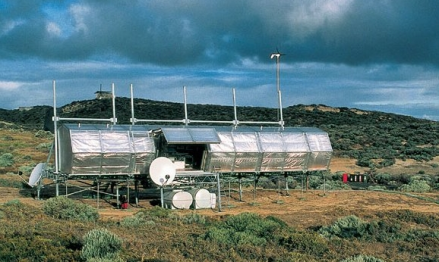
  The rise of the internet and our constant connection with each other prompted questions about the existence of humans in isolation. The Makrolab is a sort of “living laboratory” that was created to host crews, which include artists, performing research in various areas. “Mounted in desolate environments, it looks like a meteorological research center, or even more, like a stranded space station” (Holmes).  (Holmes) The emergence of space travel provided a new mental image to people when they thought of isolation. While a cabin in the woods is often viewed as isolated, it is still much more within reach of the public than another planet altogether.  The Ars Ad Astra project was an exhibition for artists who were interested in outer space themed artworks. They had to make a painting within required size and material specifications so that the artwork could go into space and be exhibited on the Mir space station.  (OURS Foundation) As an aerospace engineer, I wonder h...
Module 8: NanoTech + Art

Image
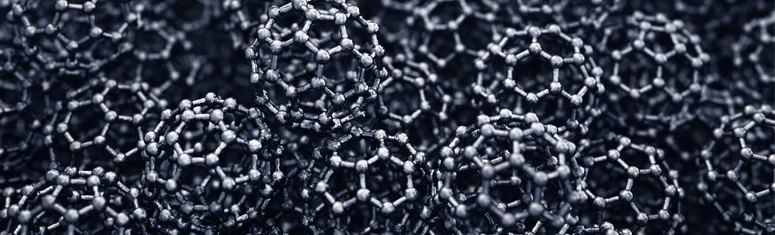
  Nanotechnology can be found throughout art in both exciting futuristic applications and in applications that have been used for decades. Certain materials made up of complex chemical compounds use nanotechnology to enhance material properties and increase potential uses of the material. (Zurutuza) A chemical compound that is recognizable to most people is graphite. Commonly used in pencils, graphite was a revolutionary material that provided a less toxic substitute to lead but still provided a smooth writing and erasing experience. Graphene, discovered in 2004, is a specific form of carbon atoms that has unique mechanical properties. It can be thought of as a thinner version of graphite, (Pogue and Wickline) that theoretically has additional artistic properties. Currently, it is mainly used in electronics. (Repsol) Nanotechnology in electronics constantly intertwines with art. Nanotechnology advances the mediums we can use to create art. An example of which is a digital camera, w...

Module 7: Neuroscience + Art

Image
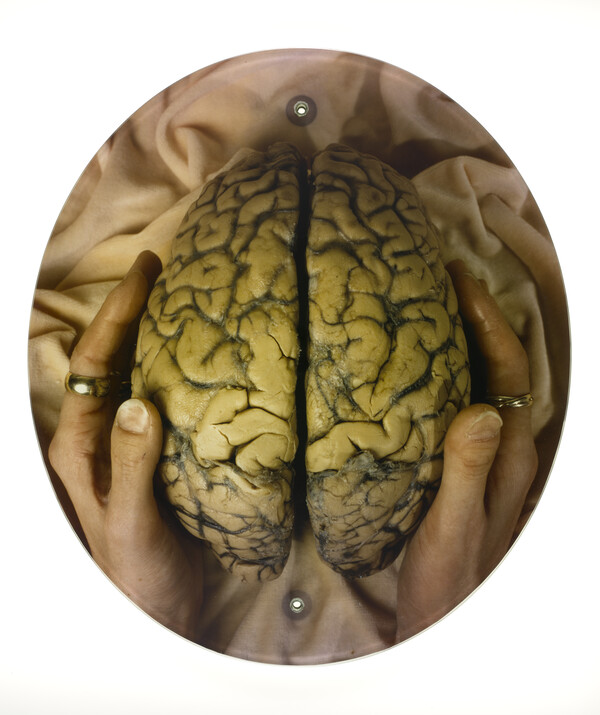
  Module 7: Neuroscience + Art Neuroscience and its related technologies have been intertwined with art for decades. Long enough for terms to be invented to define the interaction between the two. For example, the term “neuroculture” describes how “neuroscience knowledge partakes in our daily lives, social practices and intellectual discourses,” (Frazzetto and Anker). However, when the focus is on how neuroscience knowledge partakes in visual art, the interaction is categorized under “neuroaesthetics,” (Frazzetto and Anker).  An example of neuroaesthetics is how fMRI tools made the image of the human brain iconic. Helen Chadwick, an English artist born in 1951, created Self-Portrait in 1991, which is shown below. At the time, this artwork was described as “fascinating and repulsive,” (National Galleries). I find this interesting because I am a relatively squeamish person and do not find the image repulsive. One thing this could point to is the fact that this technology was ne...

Module 6: BioTech + Art

Image
  I think that life itself is definitely a valid expressive medium. The text by Ellen K. Levy supports this notion, stating examples such as Eduardo Kac, Oron Catts, and Ionat Zurr as artists who use living or semi-living materials in their artistic media. Eduardo Kac’s “Specimen of Secrecy about Marvelous Discoveries” features “biotopes” that change due to their environment and metabolism (Kac) (Kac) The use of transgenics and other biotechnology in art offers a scientific critique of the future of the world. For example, Joel Ong created “Terra et Venti” to explore “the role synthetic biology may play in planetary scale geoengineering and weather modification practices in the near future,” (Ong).  (Ong) Artistic media and technologies are interdisciplinary and inclusive of anything that can come from human creativity. It can also be used as a tool to further questions on politics, science, philosophy, and technology. Artistic technology has progressed alongside technology th...

Event Blog: HOX Zodiac

Image
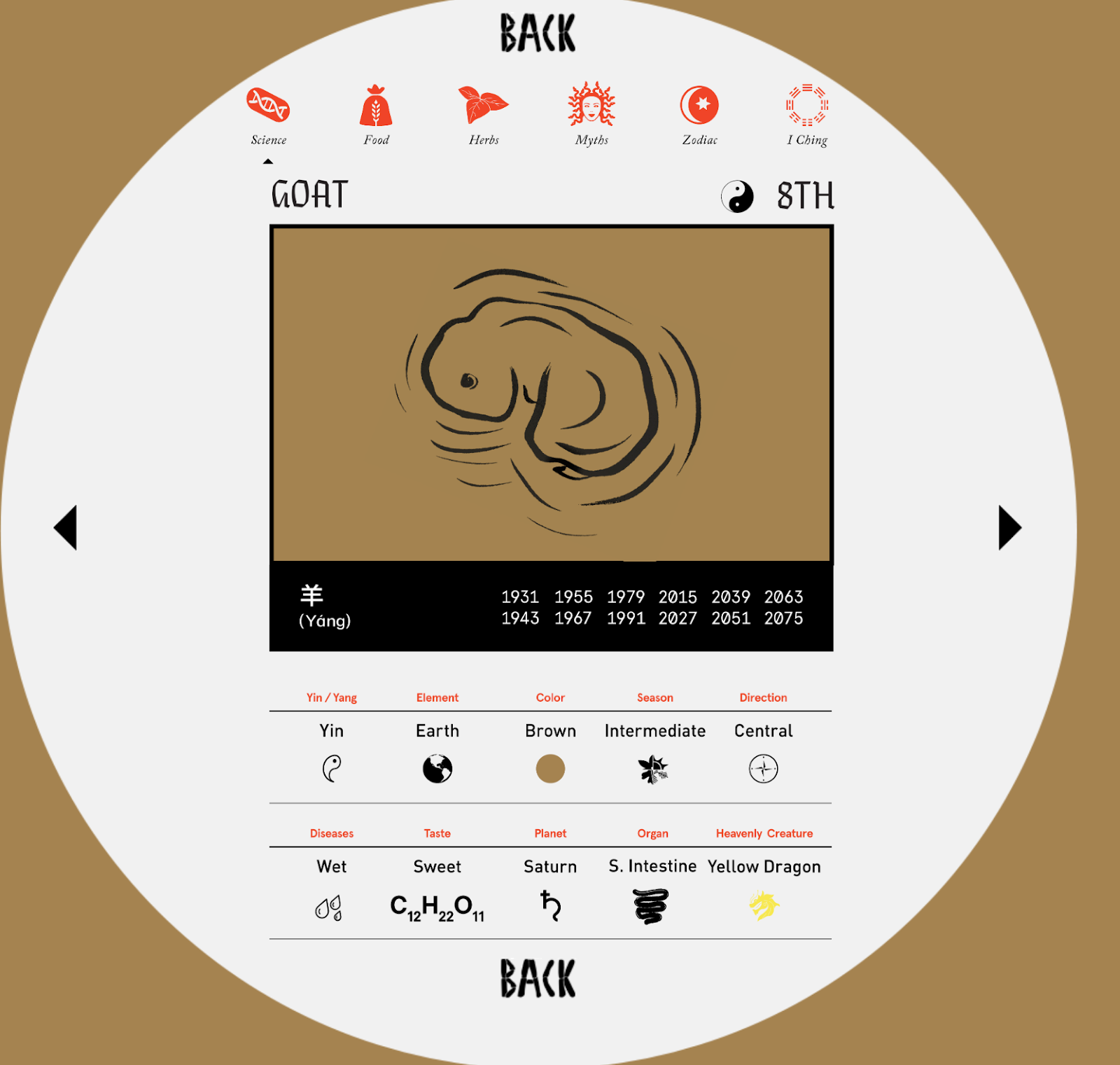
  On April 19th, I had the opportunity to attend the “Snake Out of the Egg” event, in which we talked about the HOX Zodiac. We also talked about how there are so many holidays in the month of April, spanning over many religions and cultures.  I was born in 2003, so I am  a goat in the HOX zodiac.  According to the HOX zodiac website, goats are an Earth zodiac. I thought the food tab was really interesting because it said that my zodiac eats “Asparagus, cauliflower, radishes, onions, watercress, tomatoes, prunes, and cherries, salads, lots of crunchy veggies, egg whites (calcium rich foods), hot cereals, rice, wheat,” and drinks “Calpico (a brand of cultured milk), egg white, vodka, rum, brandy,” but I am not really a fan of most of those things. (Hox Zodiac) Under the myths tab it says that the god Pan is associated with this zodiac, and when I further looked into Pan I found that he is associated with forests and meadows (PAN), which aligns with the fact that the e...

Module 4: MedTech + Art

Image
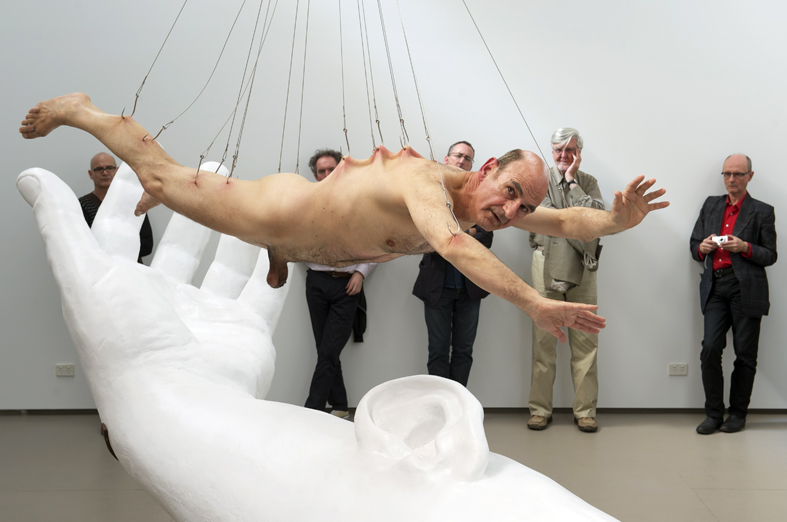
  Advancements made in medical technology have enhanced our ability to create art. From the video lectures on the intersection of medical technology and art, I learned about how artists from the Renaissance era would dissect cadavers to understand how the human body functions (Lecture). This enabled them to better represent the body in their artworks.  Artists in the current era also use these methods. Stelarc suspends human bodies using hooks through their skin and moves them around, both translationally and rotationally. An example of this is shown below. (Stelarc) These procedures allow artists to study how the body moves so that they can replicate it in their own works. Other forms of modern medical technological advancements include hormone therapy. Re:publica speaks of how transgender women are able to teach synthesis of hormones at home, allowing more people to be able to live freely and express their gender as they choose. This allows for an increased focus on artistic...

Module 3: Robotics + Art

Image
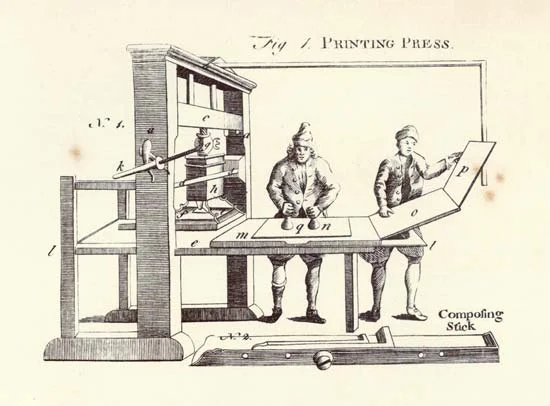
  At a time when religion dominated so much of society, the invention of the printing press was extremely influential. The ability to produce copies of religious texts, including the Bible and Martin Luther’s Ninety-Five Theses, on a mass scale aided the dissemination of what were considered at the time to be radical ideas (Jaiprakash).  (The Editors of Encyclopaedia Britannica) (Taylor) Walter Benjamin wrote of how the mass production of art challenged traditional beliefs, and turned art from ritualistic to political (Benjamin). Both of these phenomenons are seen with the rise of Protestantism, which clashed with the beliefs of the governing Catholic Church. As Protestantism became more popular, society began to reject Catholic rule, altering how people worshipped and conducted their day to day lives.  This shift also affected the artwork produced during the era. “Wealthy merchants and civic leaders replaced the Church as main art buyers,” (Bahr). With art being commiss...